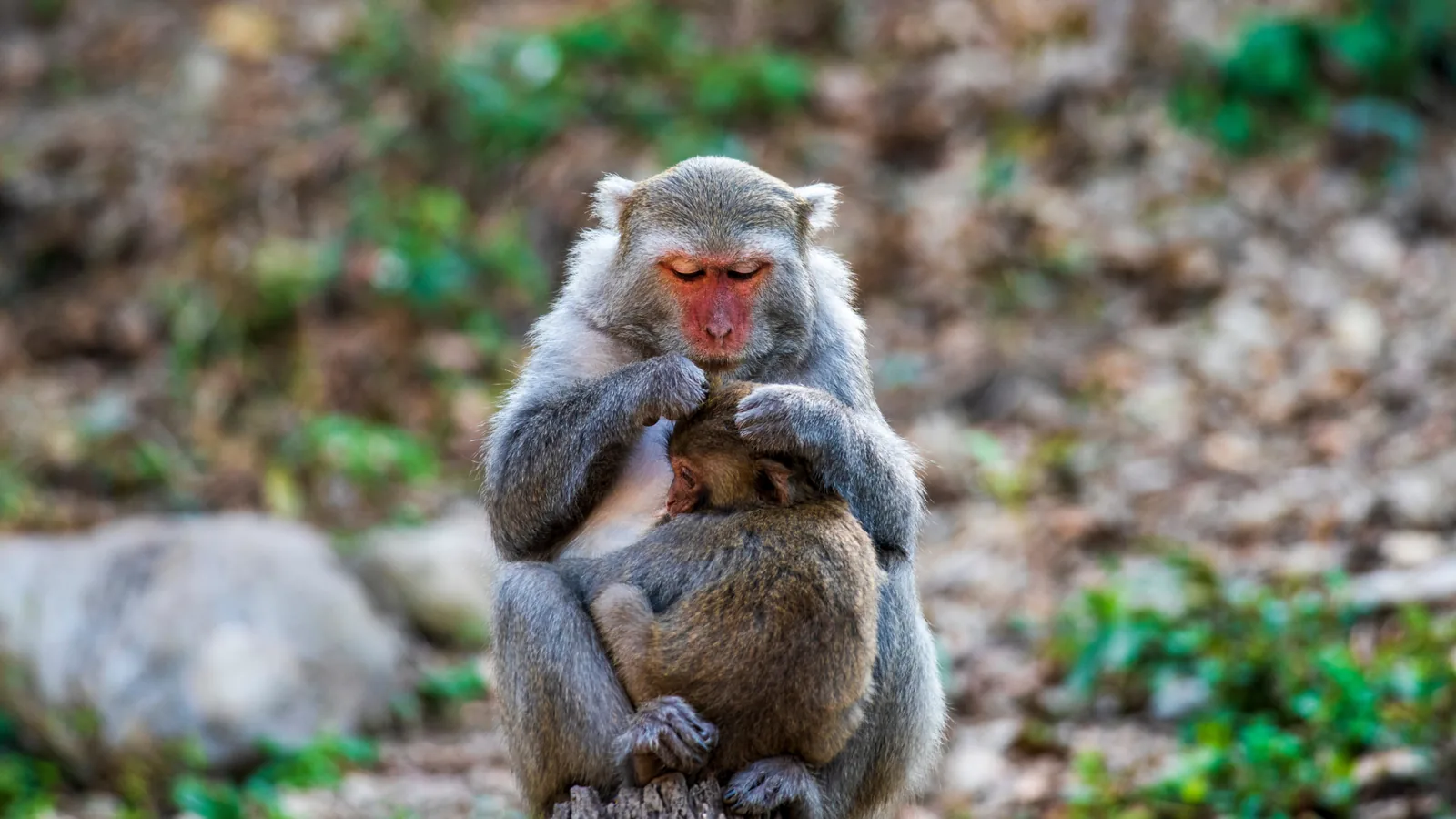
Animals living according to nature raise their young very differently from humans. An animal mother protects and feeds her young only until they are able to survive on their own. When she knows they are ready, she steps away. There is something beautiful in that. It is healthy precisely because it is natural.
And what do we humans do?
When a teenager tries to tell their parents, “I’m grown up now. I can manage on my own,” parents often refuse to hear it. And yet that urge is part of nature. The young person feels ready.
So what is teenage rebellion? Sometimes it is a shout because nobody is listening. Anger because nobody believes them. They know. They feel it. There is something deeply natural in that.
Why do parents so stubbornly cover their ears? Why do they sometimes hold a child in the family nest by force — quite literally — refusing to let them go? What if that, rather than the teenager’s need for independence, is what goes against nature?
From that point on, parents can begin to create a dysfunctional pattern — unless it was already there before. And, in my view, it starts with the parents. Intergenerational conflict then becomes almost inevitable. Living under one roof with someone who sees the world through a very different generational lens can become exhausting for everyone. Parents suffer. Children suffer.
There may be more than twenty years between their ways of seeing the world, but that difference itself does not have to be the source of conflict. It could just as easily become a source of inspiration for parents.
My own parents used to tell me, “You don’t know life yet. You should learn from people who are older.” But is that always true?
My son is 22 years younger than me, and he is a constant source of inspiration. His worldview can sometimes sound absurd to my generation, yet it pushes me to ask the simplest and most fundamental questions. An instinctive answer to one simple question — “why?” — can be surprisingly powerful. Suddenly, things become much simpler.
Perhaps dysfunction begins when we resist that natural process of letting go.